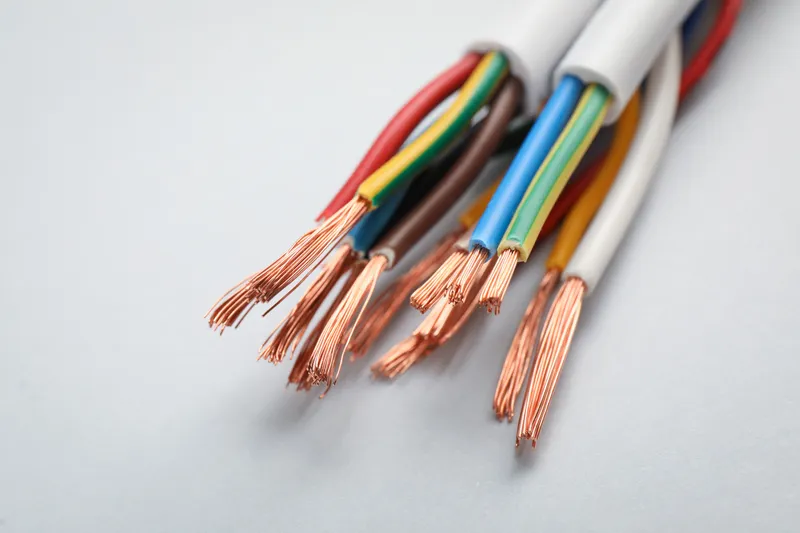
Rough-In Wiring
Rough-In Wiring Sets the Foundation for Everything That Follows
Rough-in is the stage where everything has to be right before the walls close. Box placement, cable runs, circuit assignments — all of it gets locked in before insulation and drywall go up. If it's wrong at rough-in, fixing it later means cutting into finished walls.
We place every outlet, switch, and fixture box exactly where it needs to be, at the correct height and setback per code. Delmar sees a steady mix of active remodels and new additions, and we're experienced working alongside general contractors who need the electrical done on a specific schedule. We show up when we're supposed to and we don't leave the next trade waiting.
What rough-in wiring includes for a home addition or remodel in Delmar, DE:
- Plan circuit layout based on room use and load requirements.
- Pull the permit before any wiring work begins.
- Run cables from the panel to each outlet, switch, and fixture location.
- Install boxes at the correct height and setback per code.
- Install grounding conductors on all circuits.
- Leave wiring accessible and clearly routed for the rough-in inspection.
- Pass rough-in inspection — then the drywall crew follows.
Finishing a Basement Means Running New Circuits
A finished basement is living space. It needs circuits sized for how the space will actually be used — general lighting, outlet circuits, and any dedicated loads like a home office, gym equipment, or a wet bar. Tapping into the existing basement wiring and calling it done creates an overloaded circuit and a code problem.
Basement finishes are one of the most common renovation projects in Delmar's established neighborhoods. In most cases, the existing basement wiring was run for utility use — a single lighting circuit, maybe an outlet or two. That wiring is often ungrounded and undersized for occupied space. We run new circuits from the panel, size them correctly for the planned use, and wire the space to be finished right.