Delmar, DE · Electrical Services

EV Charger Installation in Delmar, DE — Level 2 Charging at Home, Done Right

A Level 1 charger plugged into a standard outlet adds 3–5 miles of range per hour — it can't keep up with daily driving. In Delmar, DE, we install Level 2 home EV chargers from any major brand on a dedicated 240-volt circuit so your car is fully charged every morning without rationing trips or hunting for public stations.

This page covers Level 2 charger brands we install, dedicated circuit installation, panel upgrades when needed, and permit handling. Most residential installs are completed in a single day. Charge overnight at full speed — skip public charging stations starting tomorrow morning.

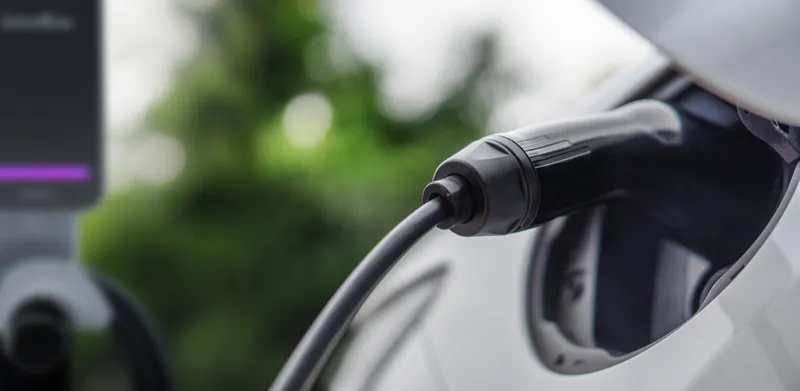
Level 2 EV charger installation by licensed electrician in Delmar DE

Level 2 vs. Level 1

A Level 2 Charger Adds 25–30 Miles of Range Per Hour — A Standard Outlet Can't Do That

EV owners using a Level 1 charger on a standard 120-volt outlet often wake up to a car that isn't fully charged — especially after a longer day of driving. At 3–5 miles of range per hour, a Level 1 charger simply can't recover a depleted battery overnight. A Level 2 charger on a dedicated 240-volt circuit delivers 25–30 miles per hour, which is enough to fully recharge most EVs overnight regardless of where you started.

Delmar's rural layout means public charging stations aren't close or particularly convenient. Home charging at Level 2 speed makes the EV work for the way people actually drive here — full charge every morning, no detours. Here's what a complete home EV charger installation covers:

  1. 1. Assess the electrical panel for available capacity and open breaker slots.
  2. 2. Determine charger location and cable route from panel to garage or parking area.
  3. 3. Upgrade the panel if needed before the circuit is added.
  4. 4. Pull the required permit.
  5. 5. Run a dedicated 240-volt, 50-amp circuit from the panel to the charger location.
  6. 6. Mount the charger and make all connections per manufacturer specs.
  7. 7. Test the charger and pass final inspection.

Every Home EV Charger Needs a Dedicated 240-Volt Circuit

A Level 2 charger can't share a circuit with other appliances — it draws a continuous full load for hours at a time. A dedicated 240-volt, 50-amp circuit carries that load without competing with the dryer, the range, or anything else on the panel. That's what makes overnight charging reliable and safe.

Most Delmar garages don't have a 240-volt circuit already in place. Running one from the panel is standard scope on nearly every EV charger install we do — it's not an add-on, it's the job.

Brand Compatibility

We Install All Major EV Charger Brands — You Choose the Hardware

We install Tesla Wall Connector, ChargePoint Home Flex, Wallbox Pulsar Plus, JuiceBox, Grizzl-E, and other major brands. The circuit and installation standard is the same regardless of the brand you choose — a dedicated 240-volt circuit, properly sized breaker, and connections made to manufacturer specs.

Tesla and non-Tesla EV adoption is growing across the Delmar area. We work with both proprietary Tesla connectors and J1772 hardware, so the install matches the vehicle you're driving now — and can be adapted if you add a second EV to the household later.

Panel Capacity

Your Panel Has to Have the Capacity Before a Charger Circuit Goes In

A 50-amp EV circuit requires available panel capacity — open breaker slots and enough headroom in the panel's total load rating. If the panel is full or undersized, the charger circuit can't be added safely without addressing the panel first. We assess capacity before the install, not after.

Many Delmar homes built before 2000 have 100-amp panels that are already carrying near-full loads. EV charger installs in these homes frequently include a panel upgrade as the first step. We handle both — the panel upgrade and the charger circuit — so there's one contractor, one schedule, and one job done correctly from start to finish.


Permits & Inspections

Permits Are Required for EV Charger Installation in Delaware — We Pull Every One

Delaware requires a permit for any new 240-volt circuit installation. Sussex County inspectors review EV charger installs as part of the standard electrical inspection process. A permitted install is inspected, documented, and on record — it protects your homeowner's insurance coverage and doesn't become a complication at resale.

If you were quoted a charger install without a permit included, that's a red flag. An unpermitted 240-volt circuit isn't just a code violation — it's a liability if there's ever a claim on your homeowner's policy tied to that circuit. We pull the permit, schedule the inspection, and handle the paperwork as part of every install.

Placement & Conduit

Placement, Cable Length, and Conduit Routing Determine How the Install Looks

Charger placement relative to where the car parks, cable management from panel to charger, and conduit routing along walls and through the garage ceiling all determine whether the finished install looks professional or improvised. We plan the route before we run a single foot of conduit.

Delmar's attached and detached garage configurations vary. Attached garages typically allow for an interior conduit run from the panel. Detached garages require an underground conduit run from the house panel — that adds trenching to the scope and changes the timeline. We walk through the approach with you before the install day so there are no surprises.

Customer Reviews

What Our Customers Say

Google

"Simmons was great. I called due to lights going out and sparks coming from panel. They answered right away, and sent someone to fix the issue within a few hours. Simmons provides excellent service with reasonable fees. I will use them again."

K

Kim Neal

Google Review

Google

"Quickly responded to my request for a quote. The crew arrived early & immediately started working. They were courteous, competent & professional. Job was properly completed within the estimated time frame. Very happy with the work done. Highly recommend."

M

Mike Davis

Google Review

Google

"They rearranged their schedule to accommodate us. They sent an electrician named Ryan. He was most professional and very neat. We had a fantastic experience with Simmons Electric!"

K

Kelly Mitchell Ward

Google Review

FAQ

Frequently Asked Questions

How long does a home EV charger installation take in Delmar?

Most residential installs are completed in a single day — if a panel upgrade is needed, that may add time or require a separate scheduled visit depending on the scope of the panel work.

What's the difference between Level 1 and Level 2 EV charging?

Level 1 uses a standard 120-volt outlet and adds 3–5 miles of range per hour; Level 2 uses a 240-volt circuit and adds 25–30 miles per hour depending on the vehicle and charger rating.

Can a Level 2 charger be installed in a detached garage?

Yes — a detached garage requires an underground conduit run from the main panel to the garage; the circuit is dedicated and permitted the same as an attached garage install.

Do I need a smart charger or will a basic Level 2 unit work?

A basic Level 2 unit charges faster than Level 1 and is simpler to install; smart chargers add scheduling, energy monitoring, and utility rate optimization — the right choice depends on the driver's habits and whether the additional features are worth the cost.

Will my existing electrical panel support an EV charger?

It depends on the current panel size and available load — we assess before the install; 100-amp panels at near capacity often require an upgrade before a 50-amp circuit can be added safely.

Can two EV chargers be installed at the same home?

Yes — two dedicated circuits are required; panel capacity has to support both loads, and a load calculation confirms whether the existing panel is sufficient or an upgrade is needed before both circuits can be added.

Ready when you are

Power problems? Call Simmons.

Licensed master electrician. Honest pricing.
A locally owned family business serving Delmarva since 1985.